KEEGAN PAXTON

L E M N O N - GAME DESIGNER

My design philosophy is rooted in horror, where immersion and tactility are paramount—I build worlds that demand physical presence and interaction.

Developing games since I was eight, my early experiments evolved into a deep fascination with game design theory. I am driven by the logic of player expectation and the intricate, systemic mechanics that make an experience unforgettable.

Today, I hold over 20 published titles and multiple game jam awards. Currently completing my Advanced Game Development degree at Bow Valley College, I combine multidisciplinary technical skills in Godot and Unity with an uncompromising passion for high-quality, systems-heavy design.

PRIMARY ENGINES: GODOT / UNITY

SECONDARY: UNREAL

TOOLS: BLENDER / MAYA / PHOTOSHOP / AUDACITY

Keegan Paxton Profile Portrait
Technical Skills

GAME DESIGN

  • Systems + economy balancing
  • Encounter / tension pacing
  • Player psychology (game theory)
  • Level flow + progression
  • Horror + comedy timing contrast

PRODUCTION / TECH

  • Godot & Unity (Primary)
  • Unreal Engine (Secondary)
  • Blender & Maya (3D)
  • Photoshop (2D / UI / Textures)
  • Audacity (Audio editing)
Case Files / Selected Works
June 2026 - August 2026 (In Development)

Fault-Line

A dynamic survival against a real time monster hunting you down.

Jam Winner
May 2026

Last Responder

A high-stakes balancing act where time is your only currency.

May 2026

Doomscroll

A horror game about short form bed-rotting made in 3 days.

Feb 2026 - April 2026 (Development on hold)

Memories

A free form physics exploration game about places we forget over time.

May 2025

Night Shift Scratcher

A criminally late night shift at the gas station.

December 2024 - Jan 2025

Broken

A short, narrative-driven horror game about guilt.

Other Projects / Secondary Works
Personal Log // 2026-06-23

Currently exploring: The interconnected, layered world of Dark Souls 1. I'm currently suffering through The Depths with the frogmen, but the world design is incredible. The weird, charismatic cast of characters provides just enough humor to get me through the pain.

Inspirations:

  • - Amnesia: The Bunker (For its raw, terrifying gameplay)
  • - The Muppets (Always)
  • - Area X: The Southern Reach Trilogy (The best books I've ever read)
View Archive

2026-05-20: Exploring Disco Elysium. Amazed by the bleak, painterly world of Martinaise and the weight of the dialogue.

Fault-Line

TEAM SIZE4
TIMELINEJune 2026 - August 2026
TOOLS USEDUnity

[ ACTION REPORT: MY ROLE ]

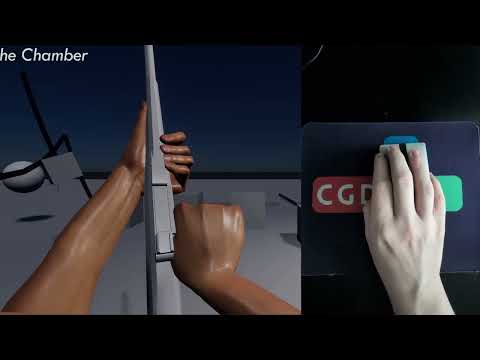
I act as the systems designer and gameplay engineer for all player controller and interaction logic. I built the player framework from the ground up—handling state switching, IK hand animations for weapons, and all logic for items, keys, and tools. A major focus was designing a dynamic, highly unique gun mechanic built around manual reloading, bringing the player physically into the tension of the action. Beyond the core controller, I developed smaller elements like cutscene triggers, puzzle designs, map layouts, and level design. I also authored custom environmental solutions, including fully dynamic physics ropes and chains that can realistically snap and split into multiple ends, alongside an advanced global wind simulation to ensure the island never feels static.

[ ACTION REPORT: CURRENT FOCUS ]

I am currently bridging my advanced, unique player controller with our director-driven AI to lock in the full gameplay loop. This is being done in tandem with finalizing level design for our upcoming internal playtests.

Fault-Line Example Image
Fault-Line Behind The Scenes Footage

Last Responder

TEAM SIZE4 Developers
TIMELINE1 Week
ACCOLADES1st Place - CGDA Arcade Jam
TOOLS USEDGodot, Blender, Maya, Photoshop

[ ACCOLADE: 1ST PLACE — CGDA ARCADE JAM ]

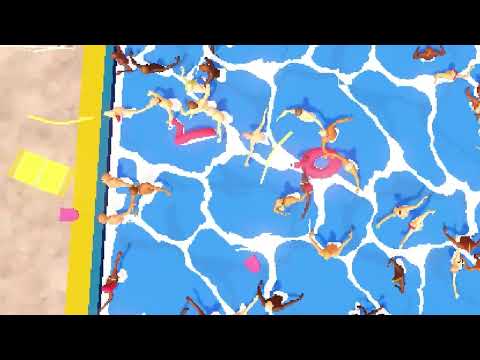
Our four-person team took first place at the CGDA Arcade Jam, a one week jam tasked with the topic "the wrong man in the right place makes all the difference". We used our strong fast paced prototyping skills to build the most fun game we could.

[ ACTION REPORT: DESIGNING THE GAME ]

I engineered a highly modular, component-based state machine in Godot to run the core gameplay. This architecture meant zero technical debt and no Git branch nightmares. If I wanted to test a rapid-fire idea like a pool-skimming mechanic I could build it, test it, and scrap it within hours without breaking the core loop. This stability allowed me to act as a technical director for the pipeline, handing exact, engine-ready dossiers to my team so their art and animations plugged seamlessly into the chaos.

[ GAME DESIGN: APPLYING MY HORROR ]

The concept started as a joke, a lifeguard who can't swim but I approached the mechanics using my internal survival horror principles. Tension is built entirely through spatial crowd control. You use a whistle to herd panicking swimmers into safe corners, only for a dynamic "pee zone" to scatter them right back into danger. Add in a shark that calculates whirlpools of death along the pool's perimeter, and the result is a brightly colored arcade game driven by genuine, overwhelming dread.

[ POST-MORTEM: WINNING ]

Taking first place at the CGDA Arcade Jam spoke to the quality of the final product, but the real victory was our production cycle. By rapidly prototyping and violently culling mechanics that weren't working, we found the fun early and laughed our way to the finish line without a single hour of crunch. If I had an extra 24 hours, I would have dialed in the audiovisual feedback for failure states—ensuring that when the water fills with bodies and the game ends, the player feels exactly why they lost.

Access Full Technical Breakdown (UNAVAILABLE) → Play the game! →
Swarm Logic Attachment Pipeline State Machine
Last Responder Trailer

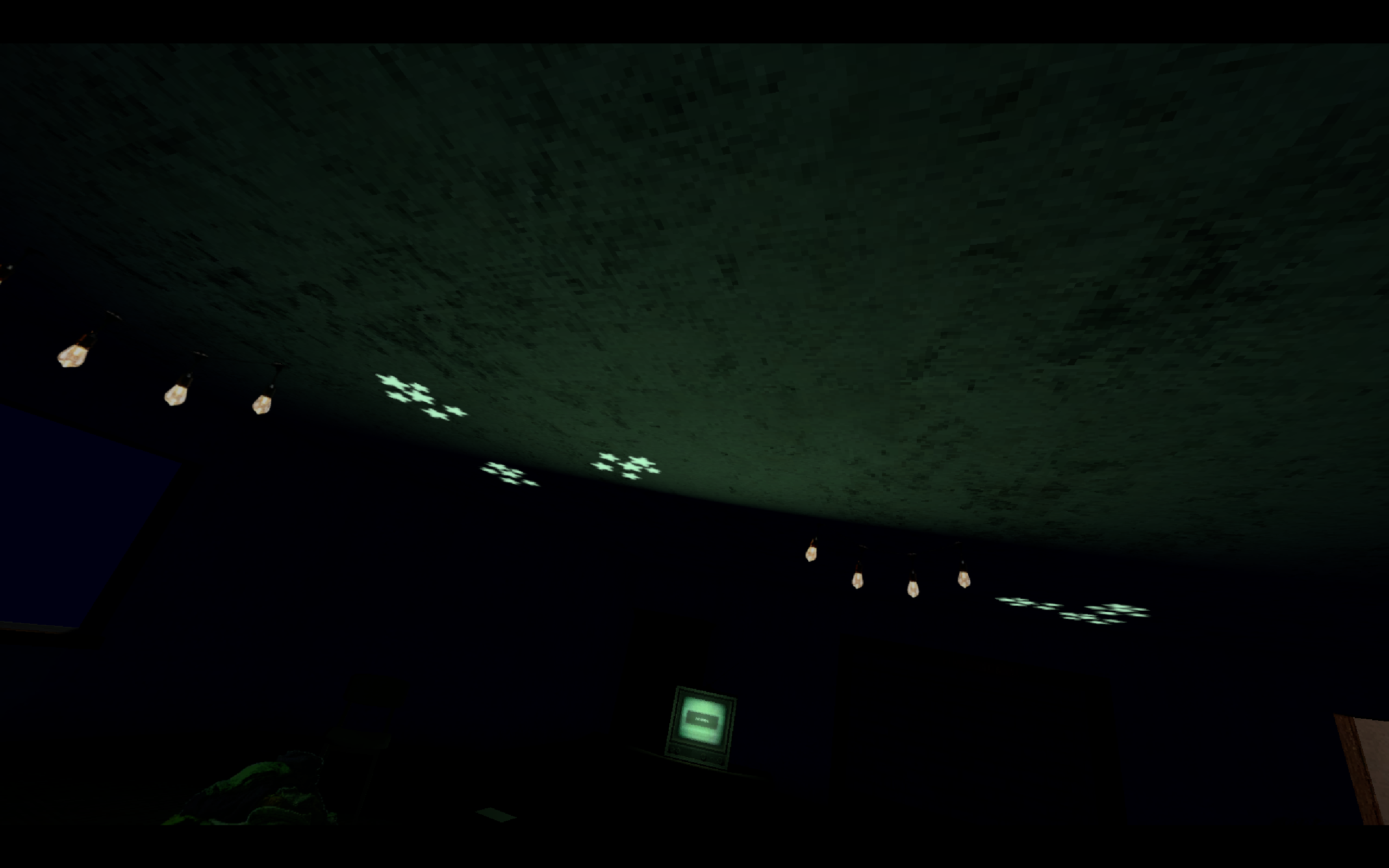
Doomscroll

TEAM SIZESolo
TIMELINE3 Days
TOOLS USEDGodot, Paint.net, Trenchbroom

[ ACTION REPORT: THE ART OF THE PIVOT ]

I was caught in a minor creative drought, staring down an uninspired roguelite that showed every symptom of a dead-in-the-water concept. I violently culled it. To break the block, I executed a strict 3-day solo sprint. My diverse technical skillset and rigid pre-planning allowed me to pivot entirely designing, building, and marketing a completely new atmospheric experience in 72 hours without losing momentum.

[ GAME DESIGN: TACTILE DREAD & FUTILITY ]

I drew heavily on the tactile, mouse-driven claustrophobia of the Five Nights at Freddy's franchise, trapping the player in a loop of managing rest versus creeping exhaustion. "Watching eyes" drive up your stress, which spikes your exhaustion, ultimately leading to fatal heart failure if left unchecked. You manage this via an anomaly camera system. Initially, I planned to build complex mechanics around the act of "doomscrolling" itself, but I realized the psychological horror hit harder if the scrolling was entirely pointless; a futile, empty action that perfectly mirrors the reality of bed-rotting.

[ POST-MORTEM: A CREATIVE DEFIBRILLATOR ]

The release was modest, but that was exactly the intent. Doomscroll wasn't engineered for massive viral metrics; it was a creative defibrillator. It proved that sometimes the best way out of a design drought is to burn the dead weight, set a brutal deadline, and build a highly focused, mechanics-driven narrative.

Play the game! →
Anomaly Cam System Stress/Exhaustion Management

Memories

TEAM SIZESolo
TIMELINE1 Month (Unfinished/Unreleased)
TOOLS USEDGodot, Blender, Trenchbroom, Audacity, Photoshop, Premier Pro

[ ACTION REPORT: MY ROLE ]

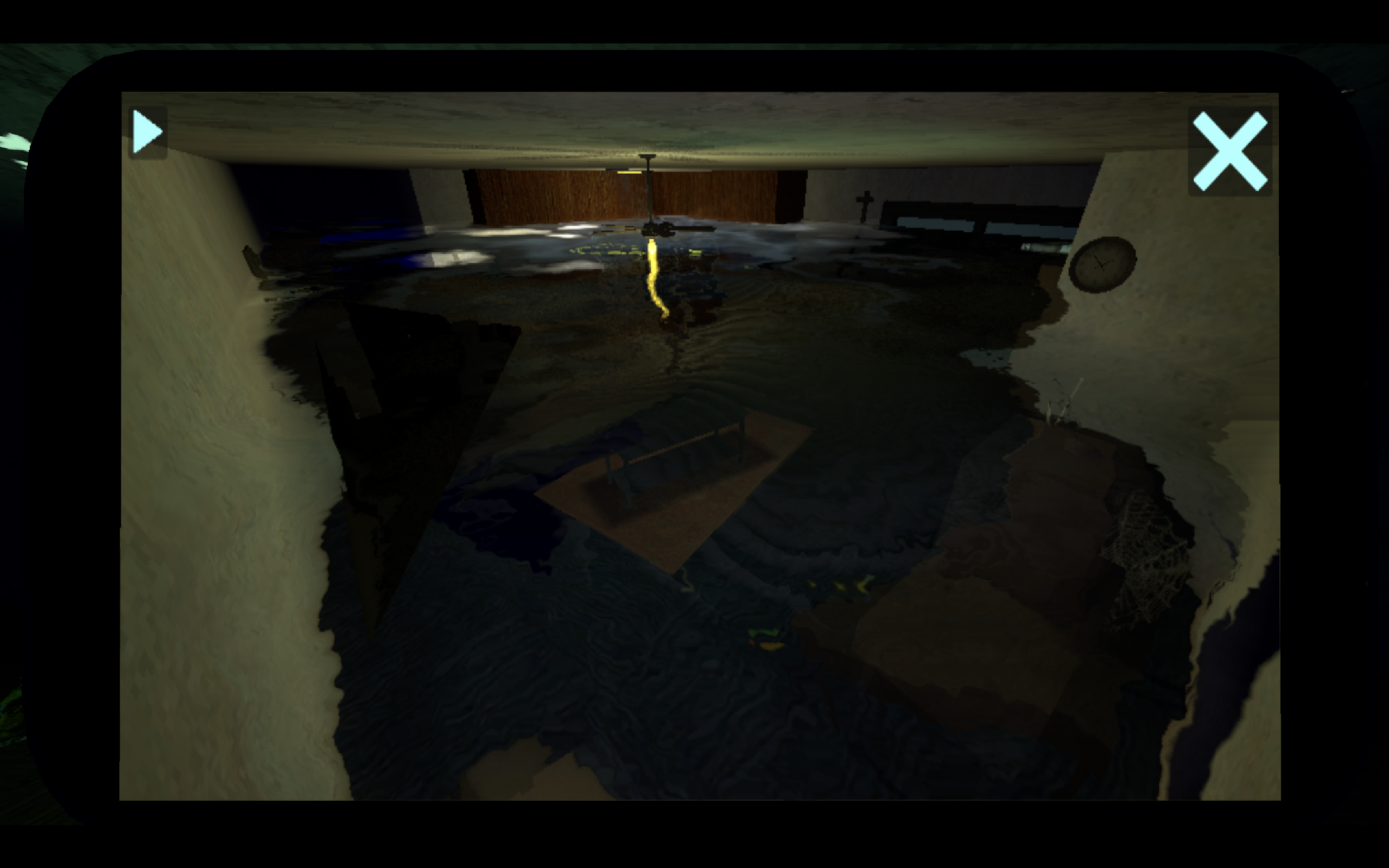
I handled everything, starting with a highly optimized physics interaction system supporting complex functions like turning pipe valves, sliding windows, and operating locks. Nearly every object in the game features physics-based interactions, allowing players to proceed however they choose. I also directed the art style, utilizing paid asset packs from itch.io developer pizzadoggy.

[ POST-MORTEM: WHAT I LEARNED ]

I learned the importance of scoping within healthy boundaries and setting clear project definitions. This project is currently on hold due to severe feature creep as I continued piling on new locations. Alongside this, I threw myself deep into short-form content creation; while it generated high interest, it distracted from actual development and made it difficult to iterate without constantly worrying about maximizing marketability.

Play the game! →
Memories Project Image 1 Memories Project Image 2

Night Shift Scratcher

TEAM SIZE4
TIMELINE48 hours
TOOLS USEDUnity

[ ACTION REPORT: MY ROLE ]

I acted as the gameplay designer and Unity programmer, designing interactions around arcade-based inputs and implementing programmatic animations—all executed within extremely tight deadlines.

[ POST-MORTEM: WHAT I LEARNED ]

I learned to ensure engine stability before beginning work. A critical error from a recent Unity update caused us to lose almost 12-16 hours of development time, yet our team still managed to secure second place.

Play the game! →
Night Shift Scratcher Image 1 Night Shift Scratcher Image 2

Broken

TEAM SIZESolo
TIMELINE1 Month
TOOLS USEDGodot, Blender, Audacity, Photoshop

[ ACTION REPORT: MY ROLE ]

Once again, I handled everything from writing the story to setting up the player controller. I even engineered my most powerful Godot design tool, "Interactive Engine 2.0"—a system that allows for an infinite level of interaction inspired by top-tier games like Amnesia: The Dark Descent. This extended into managing cutscenes and inventory/key-lock interactions. I also designed all the 3D levels and utilized Dialogic to handle the game's dialogue system.

[ POST-MORTEM: WHAT I LEARNED ]

It's hard to find any faults in the production of this game. Development went incredibly smoothly, and it remains one of my most popular releases to date. I am incredibly proud of the work I did on this project.

Play the game! →
Broken Project Image 1 Broken Project Image 2